

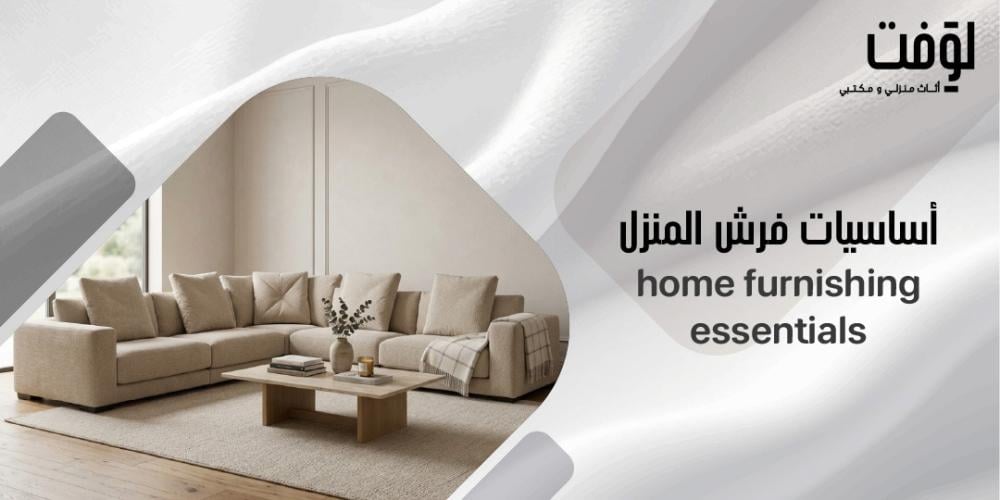
Home furnishing fundamentals serve as a practical guide to transforming a new house or empty apartment into a comfortable and attractive space that reflects your personal taste and meets daily needs. By understanding the basic principles of furniture layout, color coordination, and lighting, you can utilize space intelligently, avoid clutter, and maintain a balance between comfort and aesthetics. Whether you are preparing for marriage or setting up a new home, applying these fundamentals will make the furnishing process clearer, more organized, and produce results that satisfy your expectations.
This guide is aimed at beginners and anyone feeling overwhelmed by home furnishing decisions, helping to avoid common mistakes or budget waste. It provides detailed, practical steps to simplify arranging and organizing your home. Additionally, Loft store offers a wide range of modern furniture in various sizes and styles, providing flexible options to suit all spaces and needs.
Step-by-Step Home Furnishing Fundamentals
Starting correctly when furnishing a home from scratch is essential for achieving satisfying results. Following structured steps helps identify needs, prioritize purchases, and makes the step-by-step furnishing process clearer, organized, and suitable for all family members.
1. Define the Home’s Visual Identity
Choosing the right décor style is the first step, whether modern, classic, or neo-classic. Your visual identity guides subsequent furniture selection and placement to match family taste and functional requirements.
- Modern style: Characterized by simple lines and practical pieces in neutral or bold colors.
- Classic style: Focused on ornate details, luxurious materials, and symmetrical furniture arrangement.
- Neo-classic style: Combines tradition and modernity to balance comfort with aesthetic appeal.
Ensure consistency between wall colors, flooring, and furniture to maintain a cohesive visual identity throughout all rooms.
2. Assess the Essential Needs of Each Room
Understanding the family’s needs and the purpose of each room prevents unnecessary purchases. Requirements differ between bedrooms, living rooms, or kitchens, so consider family size and lifestyle before buying furniture or appliances to ensure each room is equipped with essentials for comfort and functionality.
3. Set a Practical Budget
Establishing a clear budget is a priority when furnishing a home step by step. Track costs to balance essential items with extras, allocating budget according to room importance. A flexible budget allows purchasing necessities first and postponing extras until the home is settled, avoiding rushed spending.
Steps for Choosing the Right Furniture
Selecting furniture significantly affects the overall character of your space and daily usage. Proper coordination enhances both aesthetics and functionality, increasing comfort and ease of movement.
1. Select Appropriate Sizes for Each Room
Measure each room precisely before purchasing furniture. This prevents overcrowding with oversized pieces. Using a clear layout helps visualize the space and ensures the furniture size maintains balance between occupied and free space for movement.
2. Balance Beauty and Functionality
Combining comfort with aesthetics is essential. Stylish appearance alone may not provide sufficient comfort. Choose pieces that offer both attractive design and practical use—sofas that support the back, tables suited to daily use—creating a harmonious and functional environment.
3. Avoid Common Furniture Mistakes
Frequent errors include selecting clashing colors or oversized pieces in small rooms, which restrict movement and hinder layout. Ensuring color harmony and appropriate sizing contributes to calm, organized spaces.
Principles of Furniture Distribution Within Rooms
Planning room layouts and furniture placement is fundamental for maintaining order, flow, and daily comfort. Proper distribution in conjunction with lighting and space utilization gives each corner of your home a practical and aesthetic identity.
1. Define Movement Pathways
Establish clear walking paths between sofas, tables, and other furniture. Align furniture with natural movement lines for smooth navigation and maximize small spaces without obstructing daily activities.
2. Utilize Natural and Artificial Lighting
Lighting enhances room beauty and ambiance. Natural light spreads across the space, while directed artificial lighting highlights seating areas or reading corners. Distribute lighting sources to complement furniture placement, providing adequate brightness without casting disruptive shadows.
3. Smart Storage Solutions for Small Spaces
Use vertical shelves or storage boxes under tables and sofas to maximize small areas. Multi-functional furniture, such as convertible sofas or tables with drawers, helps maintain order, keeping surfaces tidy and optimizing every inch of the room.
Rules for Color Coordination and Décor
Color is fundamental in successful home furnishing, affecting the perception of space, harmony, and comfort. Properly distributing and coordinating colors makes the home appear cohesive and warm, highlighting furniture and walls and creating a visually balanced space.
1. Choose a Primary Color Palette
Start by selecting primary colors that suit the home’s size and available natural light. Light colors enhance spaciousness and brightness, while dark tones work for large, open, well-lit areas. Color gradation in furniture and walls reinforces visual harmony and prevents chaotic impressions.
2. Coordinate Furniture with Flooring and Curtains
Balance colors among furniture, walls, and floors to avoid visual conflicts. When selecting furnishings, consider floor color and type for integration with primary furniture and curtain shades. Use curtain colors close to or harmonious with wall tones, ensuring a cohesive design flow between flooring and furniture.
3. Use Accessories Wisely
Accessories such as artwork, cushions, rugs, and plants add personal touches but should be used moderately to maintain simplicity and calm. Select accessories that complement furniture and walls, enhancing space beauty without distraction or clutter. This approach balances aesthetics with functionality.
Loft Store Product Recommendations
Loft store offers furniture options suitable for modern home furnishing fundamentals, focusing on high quality and contemporary designs to meet diverse tastes and practical needs:
1. Domani Corner Sofa – Brown
Dimensions: 314 × 144 × 91 cm, featuring soft fabric for superior comfort. A modern, versatile design compatible with various furnishing styles, with modular units allowing multiple arrangements. Offers excellent back support and easy reconfiguration.
2. Wing Modular Outdoor Sofa
Designed for outdoor use, combining durability and quality with an aluminum frame resistant to weather, paired with gray, weatherproof cushions. Flexible design allows adjustment and repositioning, with periodic cleaning recommended to maintain appearance and quality.
Common Mistakes to Avoid
Avoiding errors is key to achieving comfort and functional beauty:
1. Overcrowding Rooms with Unnecessary Items
Excess furniture reduces space and creates a cluttered feeling. Limit pieces to essentials for smooth navigation and breathing room.
2. Poor Color Selection
Mismatched colors between furniture, walls, and rugs negatively affect overall appearance. Ensure harmonious shades and gradients for a balanced, visually appealing home.
3. Ignoring Natural Light
Neglecting natural light reduces room brightness and comfort. Arrange furniture and windows to maximize light, enhancing spaciousness and highlighting décor.
Conclusion
Mastering home furnishing fundamentals involves careful planning, color coordination, and practical furniture placement suited to each space. Explore Loft store’s diverse collection to find pieces that match your taste and lifestyle, creating a well-designed, comfortable home.